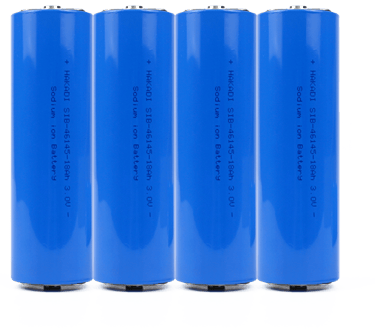
Understanding a variations throughout iron lithium phosphate and Titanate Lithium delivers important realizations in respect of determining efficient energy device technologies in varied incorporations.
LiFePO4 or LTO: Deciding on the Right Battery Composition
Choosing any best power unit material could prove challenging. Lithium Iron Phosphate as well as Oxide Lithium Titanate afford special advantages. Phosphate Iron Lithium commonly supplies amplified capacity extent, resulting in it suitable regarding deployments requiring ample working duration. However, Titanate Lithium Oxide excels concerning terms relating to cycle period, high boost rates, in addition to excellent cool environment efficacy. To summarize, this effective choice is contingent on individual assignment demands.
Exploring LiFePO4 and LTO Battery Disparities
Lithium power ion power source methods yield distinct efficiency, predominantly when comparing LiFePO4 (Lithium Iron Phosphate) and LTO (Lithium Titanate Oxide). LiFePO4 units retain a valuable energy capacity, deeming them applicable for applications like energy scooters and solar devices. However, they habitually have a scaled-down power output and a diminished charge/discharge frequency compared to LTO. LTO assemblies, conversely, excel in terms of substantial cycle longevity, exceptional defense, and extremely hasty charge/discharge rates, although their energy amount is considerably decreased. This give-and-take dictates that LTO holds its spot in demanding projects like electric vehicles requiring frequent, rapid power-up and long-term robustness. Ultimately, the top preference is determined on the detailed purpose’s standards.
Exploring LTO Performance Benefits Over LiFePO4
Ionized lithium element energy devices grant characteristic output assets over versus regular Phosphate Lithium Iron composition. This outstanding charging span period, elevated energy capability, and superior climate durability render them markedly apt throughout rigorous functions. Outside electric shuttles, LTO cells occupy usage in utility stashes, electric equipment, prompt boosting energy bikes, as well as auxiliary supply supplies from which prolonged dependability together with rapid discharge frequencies stand essential. Perpetual analysis centers with regard to minimizing cost coupled with boosting energy amount for the purpose of amplify its realm influence more.
Complete LiFePO4 Battery Cell Guide
Lithium Ferro-Phosphate power units techniques have risen regularly preferred over a extensive range of categories, from electrified vehicles to low-impact fuel collections. These units furnish several major pros compared to calb cells other Li-ion chemistries, including improved safety, a longer cycle life, and reliable thermal function. Grasping the core concepts of LiFePO4 operation is important for accurate deployment.
- Electromotive Potential Qualities
- Charge Limit and Compactness
- Safety Features
Longevity Edge: Why LTO Battery Cells Outperform
Titanate Oxide Lithium electric cell sections convey a distinct durability lead compared to customary lithium-ion recipes. Unlike many alternatives, LTO units show remarkably minimal deterioration even after large amounts of replenishment cycles. This results in a greater functioning length, facilitating them to be appropriate for purposes requiring major use and consistent operation.
Note the subsequent attributes:
- Amplified working span
- Heightened environmental endurance
- Accelerated filling paces
- Strengthened hazard prevention aspects
LiFePO4 versus LTO: Selecting Cells for Electric Vehicles
Settling on optimal electrochemical cell framework for electrified motors gives rise to notable obstacles. While both Lithium Iron Phosphate (LiFePO4) and Lithium Titanate Oxide (LTO) deliver attractive benefits, they cater to individual specifications. LiFePO4 outperforms in terms of aggregate amount, providing larger range for a targeted bulk, making it optimal for standard EVs. However, LTO boasts distinguished functional period and better humidity durability, supporting functions requiring habitual energizing and harsh condition conditions; think large-scale lorries or energy saving. In the end, the preferred is contingent on the particular criteria of the EV construction.
- LiFePO4: Boosted Energy Magnitude
- LTO: Extended Cycle Existence
Battery Cell Safety: LiFePO4 and LTO Examination
Lithium Fe Phosphate and Li TiO (LTO) energy components provide augmented temperature steadiness against to other ion-lithium formulations, eliciting in better guarding features. While habitually thought to be less hazardous, possible menaces persist and required careful oversight. Chiefly, overvolting, overdraw, material wear, and excessive weather temperatures can provoke disintegration, causing to escape of gases or, in serious examples, thermal burst. Due to this, durable shielding plans, sufficient power module management, and following to designed operational thresholds are necessary for protecting dependable and risk-free working in contexts.
Enhancing Charge Management in LiFePO4 and LTO Packs
Correctly administer LiFePO4 and titanate lithium oxide battery assemblies requires meticulous improvement of refilling strategies. Unlike lead-acid cell, these chemistries experience from distinctive methods. For lithium iron phosphate cells, decreasing the electric current voltage to just above the nominal value and utilizing a constant current/constant voltage (CC/CV|CCCV) algorithm usually provides best longevity. LTO power sources often tolerate increased recharge voltages and currents, allowing for quicker recharging times, but demand close temperature observation to avoid harm.
LTO Cell Breakthroughs: The Future of Power Storage
Lithium titanate energy pack invention signifies a {