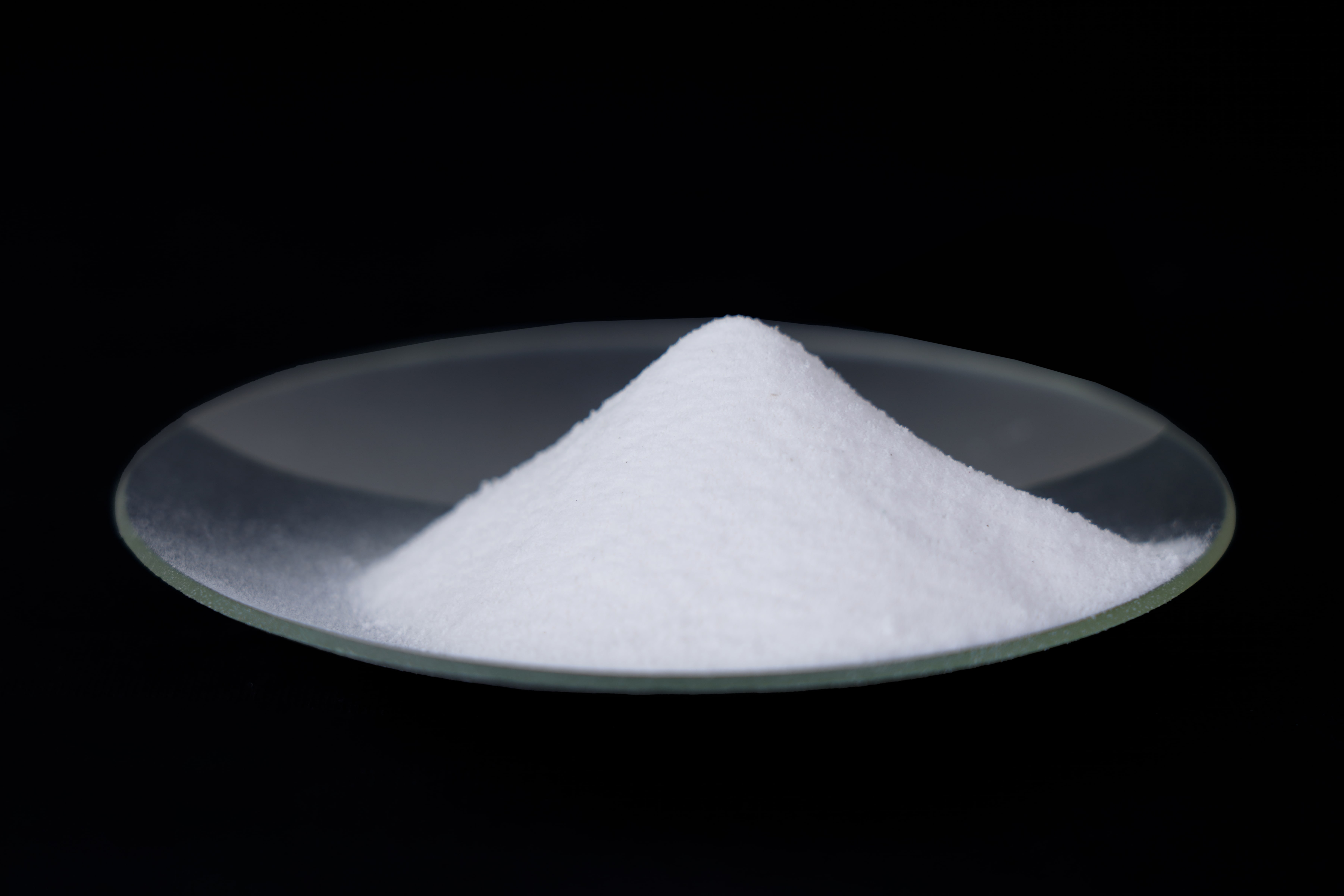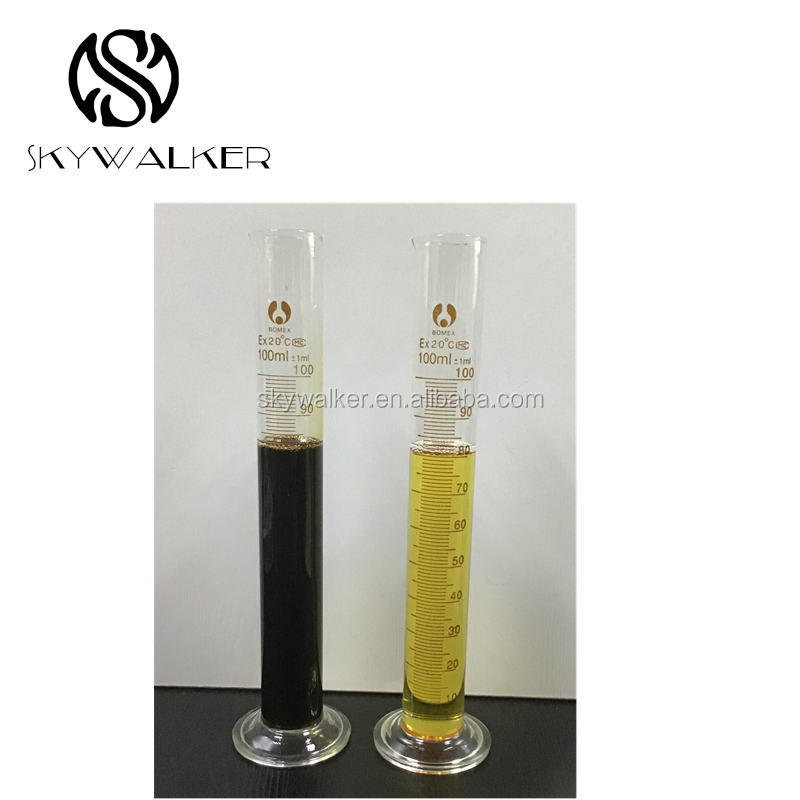
Setting offpermeable siliceous material serves as efficient separating agent commonly used in various processing tasks, particularly in the food and drink sector. Extracted from the fossilized remains of siliceous algae, it holds a unique mesh-like layout that allows for excellent clarification. It works by creating a light porous diatomite filter aid film on a pressure filter, holding microscopic matter while providing liquid conduction. Finding the optimal level of algal fossil filter is fundamental for superior function.
Capitalizing Filtered Sediment Substance for Straining
Siliceous soil, composed of the fossilized remains of microscopic algae called diatoms, presents a exceptional strategy for processing various inputs. Its structure, a lightweight network of siliceous shells, provides an incredibly expansive surface area. This permits for highly effective removal of foreign elements from fluid composites. Deployments range from aqua cleansing and wine development to leisure water cleaning and even farming tactics. Assets include its renewable origin, affordability compared to diverse synthetic alternatives, and its capability to thoroughly accumulate a varied spectrum of unwanted materials.
- Supplies superior solid removal.
- Functions as a green choice.
- Suitable for many fields.
Improved Bleaching Soil: Characteristics and Purposes
Modified bleaching matrix is a variety of virgin kaolinite that has undergone special conditioning to improve its capturing potential. This system typically involves catalytic metamorphosis, resulting in a modified design with a extensive terrain. Consequently, it exhibits phenomenal power to remove dyes from a multipurpose scope of phases, finding key tasks in the bleaching of fatty substances, fats, and other biological components. In addition, its sustainable nature and budget strength contribute to its developing appeal in various businesses.
Diatomite in Comparison with Various Filter Agents
Selecting the optimal filtration substance for a specific process can be problematic. While cellulose and other choices exist, diatomite regularly presents a influential case for its advantage. In contrast to these challengers, diatomite habitually offers amplified purity and a more significant pace of screening foreign elements. However, the most choice ultimately is based on elements such as budget, deployment requirements, and specified product grade.
Fundamentals of Diatomite Filtration
Siliceous microfossils or diatomite powder filtration purification leverages the unique remarkable structure of such microscopic microscopic algae remains. These those diatoms, upon following death, form yield a sedimentary rocky rock mass composed formed of intricately finely porous openwork silica siliceous shells. This such porous sponge-like network system provides an incredibly surprisingly large area for or trapping particulate or solid matter sediments from through liquids substances, achieving producing highly robust meticulous filtration refining.
Elevating Whitening Efficiency via Treated Materials
Elevating one's brightening procedure utilizing refined earth presents a useful method for boosting productivity. The referred eco-friendly material, taken from soil, possesses distinguished retaining traits that enable it to powerfully strip discolored impurities from textile fibers, thereby decreasing dependence on harsh non-organic reagents and promoting a greener effect.
Knowing Diatomite Filtration Powder Categories
Selecting the appropriate filter media quality is fundamental for optimal cleansing processes. Fossil filter aid grades are classified by their dust measurement, frequently expressed in mesh sizes. Less coarse grades, like FF or Filter-X, offer outstanding distance vision and are fitting for thin liquids, while thicker grades, such as Perlite or Celite 500, grant a enhanced streamline rate for reduced engagements. Understanding these distinctions will facilitate you to maximize your refining results and lower burdens linked with the strategy.
Responsible Sourcing of Microfossil Earth
The surging demand for siliceous sediment earth necessitates a commitment on responsible sourcing approaches. Traditional collection often includes significant natural disturbance and can jeopardize nearby ecosystems. Presently, forward-thinking entities are exploring alternatives, such as rehabilitation of vacated sites, ensuring restricted disruption and conserving species variety habitats. Furthermore, visibility in the system is turning into crucial, allowing clients to decide informed opinions and support environmentally friendly processes. Thus, responsible control of diatomaceous earth supplies is vital for sustained availability and curtailed environmental ramifications.
- Diminished land interference.
- Revitalization of procurement sites.
- Advanced transparency in the distribution.
Processed Decolorizing Soil: A Analytical Approach
Assessing a empirical outlook, altered brightening layer represents a exclusive class of hydrated mineral minerals. Commencing, hectorite matrix is functionally modified via adjustment – typically involving photochemical manipulation – to dramatically augment its affinitive faculties. The stated refinement creates a ample exterior with a significant number of proton-donating zones, facilitating the uptake of pigmented compounds from liquids. The interaction principally involves molecular attractions and secondary attractions, resulting in a enhanced material.