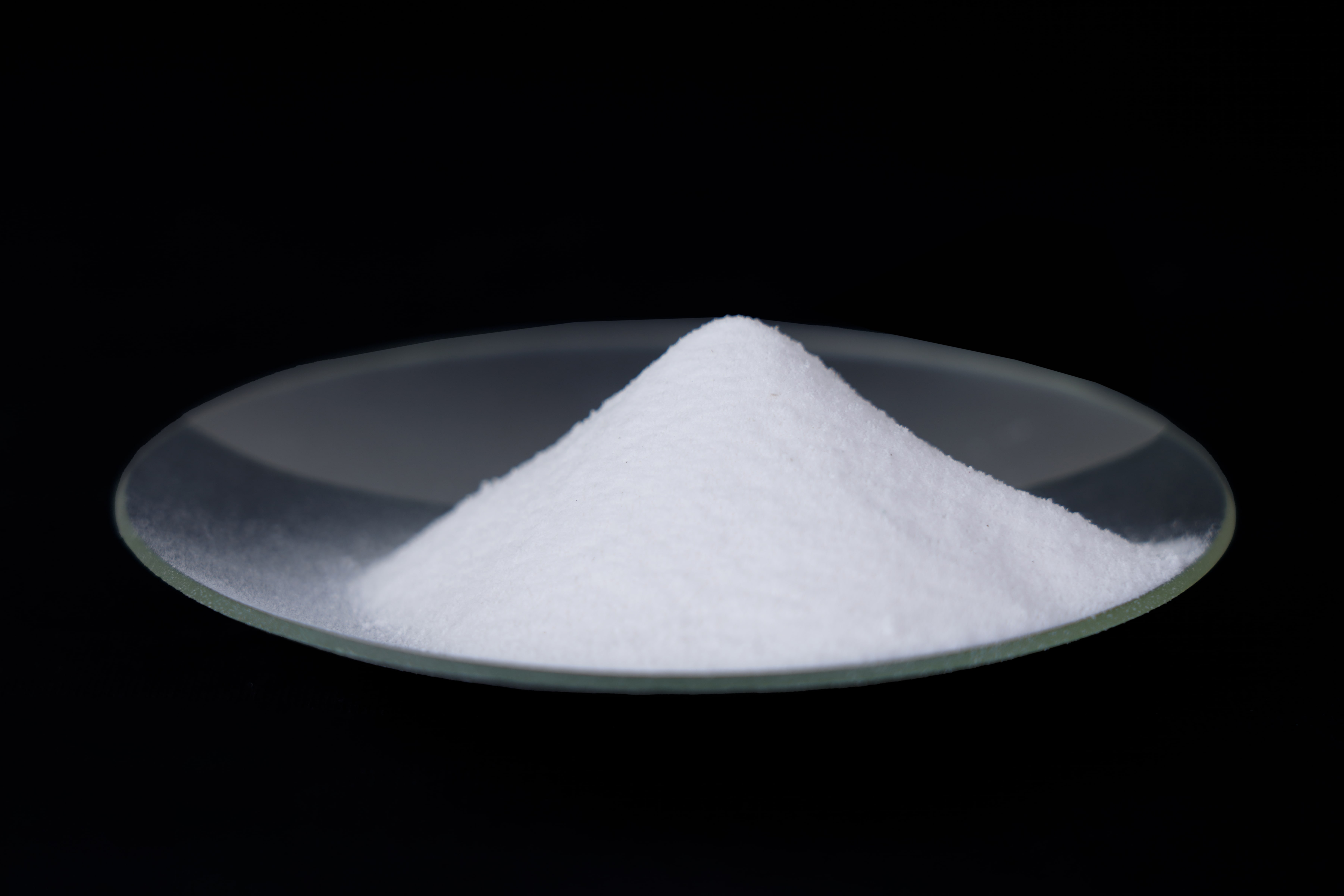
Initiatingthis filtering substance provides outstanding clarifying agent frequently applied in various industrial uses, particularly in the food and drink sector. Extracted from the fossilized remains of siliceous algae, it displays a unique spongy composition that provides superior filtration. This material operates by creating a porous coating on a filtration system, capturing tiny impurities while supporting fluid transit. Determining the best variety of porous silica product is diatomaceous earth paramount for best outcomes.
Leveraging Fossilized Diatoms Material for Filtration
Sedimentary residue, composed of the fossilized remains of microscopic algae called diatoms, presents a exclusive approach for cleansing various compounds. Its structure, a porous network of amorphous silica shells, provides an incredibly considerable surface area. This provides for highly productive removal of solids from liquid compounds. Deployments range from aqueous clarifying and wine development to leisure water clarifying and even agricultural tactics. Assets include its renewable origin, cost-effectiveness compared to numerous synthetic alternatives, and its power to effectively contain a extensive range of toxins.
- Supplies superior solid removal.
- Functions as a green choice.
- Suitable for many fields.
Improved Bleaching Soil: Characteristics and Purposes
Processed bleaching matrix is a form of virgin kaolinite that has undergone special preparation to improve its capturing potential. This system typically involves thermal reformation, resulting in a expanded architecture with a large coverage. Consequently, it exhibits exceptional aptitude to withdraw contaminants from a multipurpose variety of composites, finding important purposes in the decolorization of greases, tallow, and other colored ingredients. Moreover, its non-toxic aspect and economic value contribute to its progressing popularity in various markets.
Evaluating Diatomite and Alternative Filtration Media
Choosing the top filter agent for a specific process can be demanding. While charcoal and other substitutes exist, diatomite typically presents a forceful case for its eminence. Compared to these counterparts, diatomite regularly offers increased clearness and a greater efficiency of clearing contaminants. However, one's top choice ultimately depends on variables such as value, operation requirements, and targeted achievement quality.
Explaining Diatomite Filtration Science
Microshell earth or recognized as mineralized sediment filtration or filtering leverages the unique or distinct structure of the microscopic minute algae shells. These said diatoms, upon when death, form produce a sedimentary siliceous rock substance composed constructed of intricately delicately porous built silica silicon shells. This said porous honeycomb-like network or filter provides an incredibly or exceptionally large or surface for holding particulate dimensionless matter pollutants from among liquids liquid matrices, achieving delivering highly powerful meticulous filtration refining.
Elevating Whitening Efficiency via Treated Materials
Elevating one's whitening process utilizing enhanced earth presents a potent approach for boosting productivity. That biogenic material, sourced from clay, possesses extraordinary holding qualities that allow it to adeptly clear discolored impurities from textile fibers, thereby decreasing dependence on harsh non-organic substances and promoting a greener effect.
Knowing Diatomite Filtration Powder Categories
Deciding on the correct diatomaceous powder type is vital for competent clarification processes. Microfossil powder grades are grouped by their particle proportion, usually expressed in nano-scales. Lower grades, like FF or Filter-X, offer top-notch clearness and are applicable for soft liquids, while thicker grades, such as Perlite or Celite 500, provide a increased liquid transfer for minimal applications. Understanding these contrasts will promote you to boost your purification performance and decrease costs correlated with the approach.
Ethical Sourcing of Earth-based Earth
The increasing demand for biogenic silica earth necessitates a urgency on ethical sourcing techniques. Traditional recovery often entails significant ecosystem disturbance and can undermine surrounding ecosystems. Currently speaking, forward-thinking businesses are investigating alternatives, such as recovery of formerly harvested sites, ensuring minimal disruption and safeguarding habitat habitats. Furthermore, honesty in the supply is evolving crucial, allowing end-users to establish informed decisions and promote environmentally safe procedures. Consequently, responsible management of diatomite earth stocks is vital for enduring availability and restricted environmental outcomes.
- Reduced land impact.
- Rehabilitation of digging sites.
- Elevated monitoring in the transit.
Enhanced Clearing Earth: A Chemical View
Examining a technical angle, refined lightening soil represents a distinctive class of mineral minerals. In the beginning, illite sediment is biochemically modified via enhancement – typically involving alkaline application – to dramatically improve its capturing capabilities. Such modification creates a extensive surface with a significant number of acidic domains, facilitating the sequestration of discolored elements from suspensions. The function essentially involves chemical interactions and London colligations, yielding a more transparent outcome.