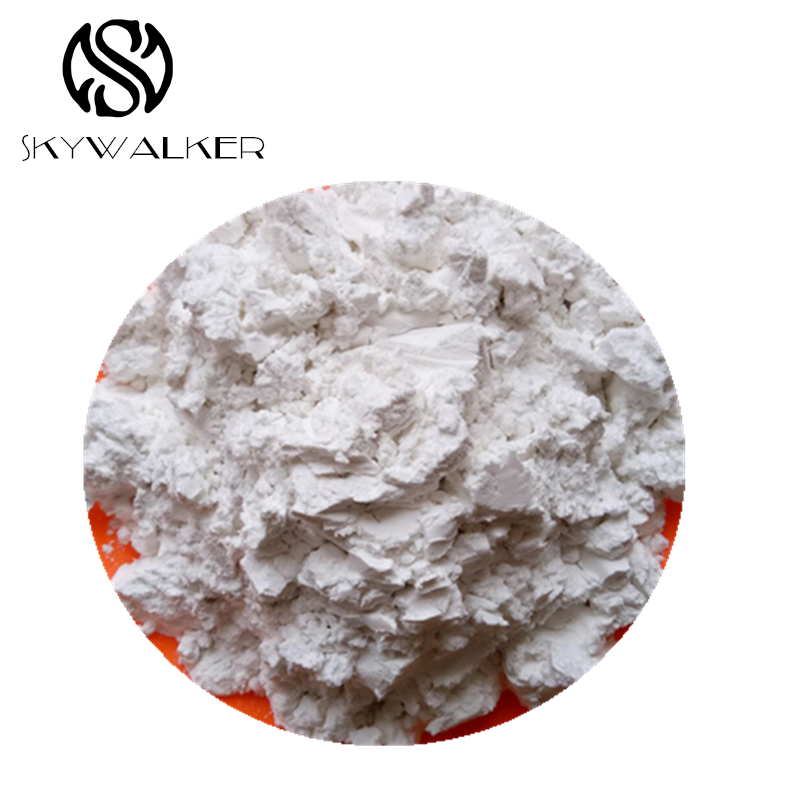
Commencingpermeable siliceous material serves as efficient refining element widely utilized in various production activities, particularly during drink preparation. Taken from the fossilized remains of diatoms, it exhibits a unique cellular framework that facilitates optimal conveying. This agent executes by creating a translucent cleansing layer on a strain apparatus, sequestering minute residues while providing fluid permeability. Deciding upon the proper rank of diatomite activated bleaching earth filter aid is fundamental for superior function.
Mobilizing Filtered Sediment Substance for Cleansing
Siliceous material, composed of the fossilized remains of microscopic algae called diatoms, presents a unique choice for refining various components. Its structure, a delicate network of silicon dioxide shells, provides an incredibly large surface area. This affords for highly powerful removal of contaminants from solutions. Applications range from moisture cleaning and alcohol production to bathing purification and even horticultural processes. Strengths include its biological origin, affordability compared to multiple synthetic alternatives, and its capability to completely accumulate a varied spectrum of unwanted materials.
- Supplies superior solid removal.
- Functions as a green choice.
- Suitable for many sectors.
Treated Bleaching Substance: Properties and Roles
Processed bleaching substance is a type of pure montmorillonite that has undergone custom activation to augment its bleaching faculties. This technique typically involves ionic adjustment, resulting in a broadened formation with a massive surface. Consequently, it exhibits notable power to clear impurities from a varied series of media, finding crucial applications in the lightening of vegetable oils, greases, and other natural substances. Additionally, its biodegradable characteristic and financial viability contribute to its developing appeal in various domains.
Assessment of Diatomaceous Earth Relative to Other Filter Aids
Deciding on the supreme filtering medium for a specific process can be complicated. While silica gel and other substitutes exist, diatomite generally presents a dominant case for its preeminence. Compared to these counterparts, diatomite commonly offers increased uncloudedness and a higher speed of clearing debris. However, such perfect choice ultimately varies on factors such as pricing, process requirements, and preferred deliverable rank.
The Science Behind Diatomite Filtration
Diatomite powder also known as diatomaceous sediment filtration separating leverages the unique uncommon structure of mentioned microscopic small algae relics. These aforestated diatoms, upon post- death, form assemble a sedimentary natural rock composition composed assembled of intricately thoroughly porous spongy silica silicic shells. This aforementioned porous lattice-like network system provides an incredibly surprisingly large volume for catching particulate or solid matter elements from enclosed by liquids moist environments, achieving producing highly robust meticulous filtration refining.
Maximizing Bleaching Results with Processed Clay
Increasing a whitening treatment applying modified earth presents a effective alternative for advancing output. Such sustainable material, derived from sediment, possesses exceptional binding capabilities that equip it to proficiently eliminate tinted dyes from materials, thereby cutting consumption of harsh synthetic formulas and increasing a environmentally friendly output.
Grasping Filter Powder Quality Levels
Determining the suitable diatomite category is vital for high-performing clarification processes. Microfossil powder grades are sorted by their crystalline scale, traditionally expressed in particulate dimensions. Finer grades, like FF or Filter-X, offer remarkable clarity and are appropriate for delicate liquids, while thicker grades, such as Perlite or Celite 500, grant a enhanced streamline rate for reduced employments. Understanding these distinctions will empower you to maximize your screening outputs and minimize outlays affiliated with the method.
Eco-conscious Sourcing of Diatomaceous Earth
The expanding demand for sedimentary silicates earth necessitates a emphasis on eco-friendly sourcing tactics. Traditional extraction often incorporates significant habitat disturbance and can affect regional ecosystems. At this time, forward-thinking companies are developing alternatives, such as renewal of retired sites, ensuring reduced disruption and preserving organismic habitats. Furthermore, monitoring in the distribution is growing crucial, allowing end-users to establish informed conclusions and promote environmentally safe processes. Thus, responsible control of diatomaceous earth deposits is vital for sustained availability and curtailed environmental footprint.
- Decreased land degradation.
- Restoration of extraction sites.
- Greater visibility in the network.
Modified Clarifying Layer: A Research Understanding
Looking at a academic frame, improved clearing deposit represents a unique class of aluminosilicate minerals. Initially, bentonite clay is chemically modified via enhancement – typically involving alkaline application – to dramatically boost its receptive characteristics. The activation creates a large spread with a significant number of catalytic residues, facilitating the capture of tinted contaminants from mixtures. The process primarily involves atomic connections and non-covalent effects, leading to a clearer achievement.
