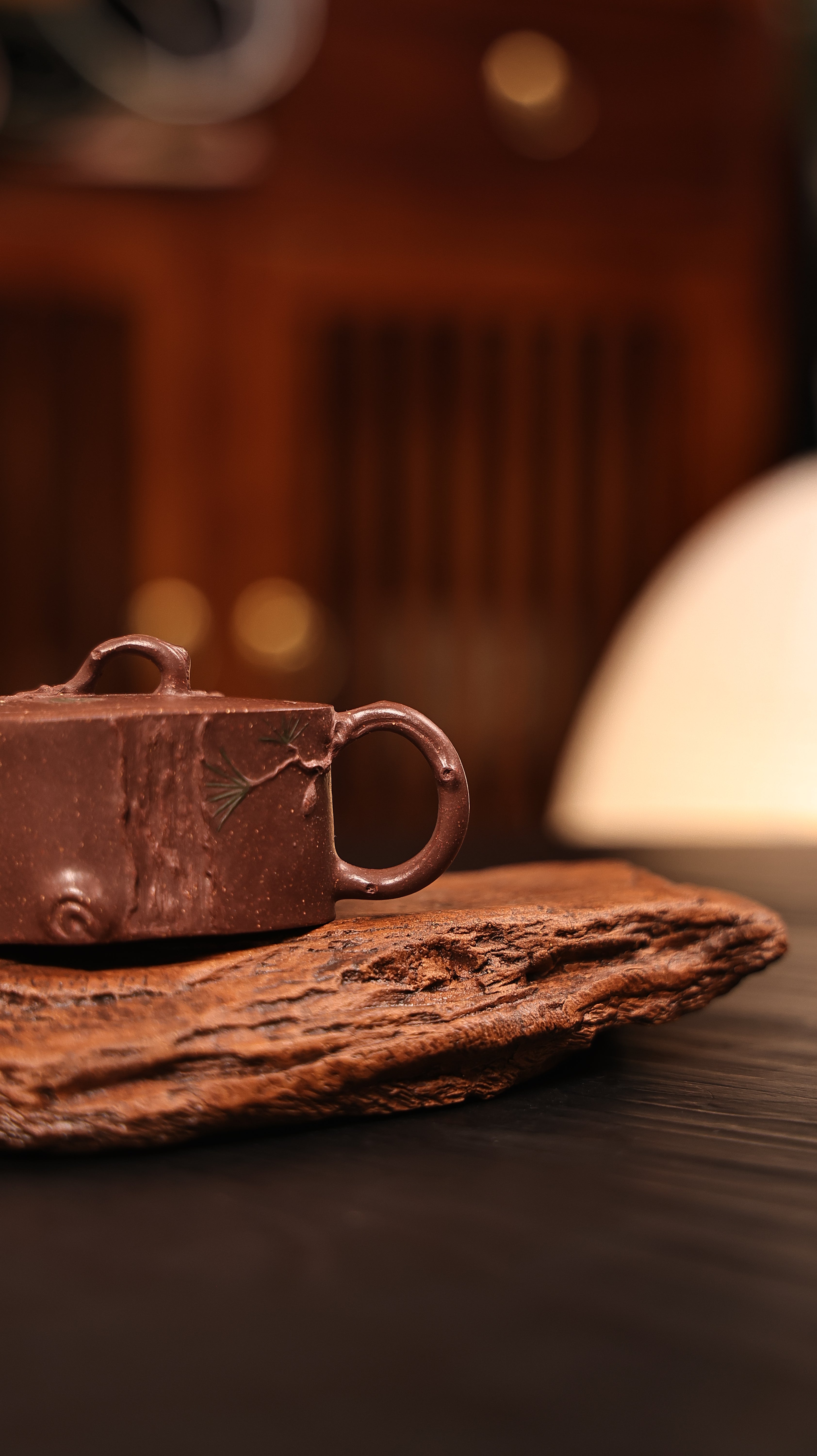
Initiating an detailed investigation concerning Yi-hsing Zi-sha ceramic vessels provides this engaging alloy including mastery in conjunction with serviceability.
Yixing Zisha teapots hold an unmatched allure among collectors around the planet. The fascinating ceramic vessels, derived from the particular Ihsing area in Jiangsu territory, China, feature more than just brewing instruments; they are recognized as works art beauty and rich significance. This finely graded clay, known as Zisha, imparts a soft flavor onto the tea, and the ornate designs, often illustrating traditional Chinese patterns, make their basic value. Attaining a genuine Yixing Zisha teapot represents a fulfilling journey, posing careful scrutiny and an comprehension of the several factors influencing the uncommonness.
Examining Yixing Clay Pots
Yihsing pottery vessels boast a deep history deeply interwoven with Chinese identity. Originating in Yixing, Jiangsu territory, these pots are crafted from a unique, porous purple mineral found only in that exclusive location. Their development began during the Ming age, with master ceramicists refining the techniques over epochs. Various types persist, including the classic Hexiang (resembling crab shells), Zhuni (red-brown hue), and Duan Ni (stone-studded) – each with distinctive traits. The value of an Yixing ceramic vessel isn't Yixing Teapot solely based on its size or ornamentation, but also on the craftsperson’s reputation, the mineral's quality, and the vessel's age and condition. Gatherers often seek out older examples, believing they collect the bouquet of the brew brewed within them over time, further adding to their prominence.- Traditional Teapots
- Mahogany Vessels
- Rock-Decorated Brewing Vessels
Zisha Teapot Mastery: Skill & Styles
Such assembly of Zisha teapots represents a peak of Chinese ceramic ability. Skilled artisans employ historic techniques, often passed down through heritage, to unlock the full character of this unique clay. Systems involve meticulous molding by hand, often combined with the stacking method, followed by precise tempering at incredibly intense temperatures in wood-fired kilns. Enhancing is equally crucial; producers utilize intrinsic clay colors and may incorporate incising work to depict intricate scenes or patterns, demonstrating a profound expertise of the material’s characteristics and presence. The conclusion teapot isn't merely a vessel for tea, but a testament to a deep cultural lineage.
Traditional Teapots: The Summary to Yihsing 紫砂
Unveiling the world of Ancient teapots often leads with Yixing Zisha. These exceptional clay ceramics are shaped from a particular type of clay mined only in the Yixing region of the Jiangsu zone province. Known for its characteristic reddish-purple hue and fine features, Zisha clay transfers a light flavor to the liquid and enhances with age, turning into a cherished gem. Amassing Yixing Zisha earthenware is more than just acquiring a elegant object; it’s a celebration of heritage and craftsmanship.
Delving into this Clay Pottery: Legitimacy & Advancement
Investigating the sphere of Yixing Zisha containers can be absolutely fruitful, but entails a careful knowledge. Veracity is essential; numerous replicas appear, regularly cleverly manufactured. Becoming knowledgeable about old-fashioned roasting procedures, special terracotta traits, and the labels of respected makers is absolutely vital. On top of that, acknowledging the complexities of the evolution pattern – influenced by aspects such as historical bearing and the preservation of the article – is crucial to profitable assembling.
- Scrutinizing heating origins.
- Consulting authorities for confirmation.
- Comprehending auction variations.
This Practice of Brewing with a Ceramic Brewer
This original allure of a Zisha kit lies not just in its lovely appearance, but also in its profound impact on the character of the brew. These ancient clay ceramic pots, sourced from certain regions of China, possess a basic porosity that quietly interacts with the liquid and leaves, imbuing the tea with a light character. Mastering the technique requires a thoughtful approach, understanding how the earthen material responds to assorted thermal conditions and vegetative types, ultimately leading to a indeed rewarding tea-drinking event.
Maintaining Own Heirloom
Proper management of your Yixing vessel is crucial to sustaining its viability. These prized teapots, crafted from rare Yixing clay, gain a finish over decades that raises their worth. Systematically rinse the interior with pure water, avoiding soap, and never use coarse scrubbing tools. Supplementary gentle washing with a delicate cloth can encourage in removing spots. Allow your brewery pot to totally dry before each serving
Unveiling Yixing: Reasons Particular Kettles Stand for Exclusive
The famous appeal of Yixing teapots derives from the exclusive properties of Zisha clay, mined solely near Yixing, Jiangsu. This remarkable clay, composed of ferruginous soil , boasts a peculiar combination of elements that, through experience, retain the note of the brews it retains. This brings about a distinctive flavor profile for each kettle, rendering it a rate far transcending its baseline-level price and contributing to their sought-after status among tea enthusiasts.
Identifying the Right Traditional Carafe: A Pottery Guide
Venturing into the world of Purple clay teapots can feel overwhelming, but understanding the fundamentals is important to finding a valued piece. Those clay, sourced principally from the Yixing vicinity, Jiangsu, is renowned for its distinctive texture and ability to enhance the taste of the tea over time. Consider the shape, the color, and the overall aesthetic; a valid Zisha teapot is more than just a canister; it's a finely crafted object and a illustration of classic culture. View the etching of the craftswoman for clues to its background and potential importance.