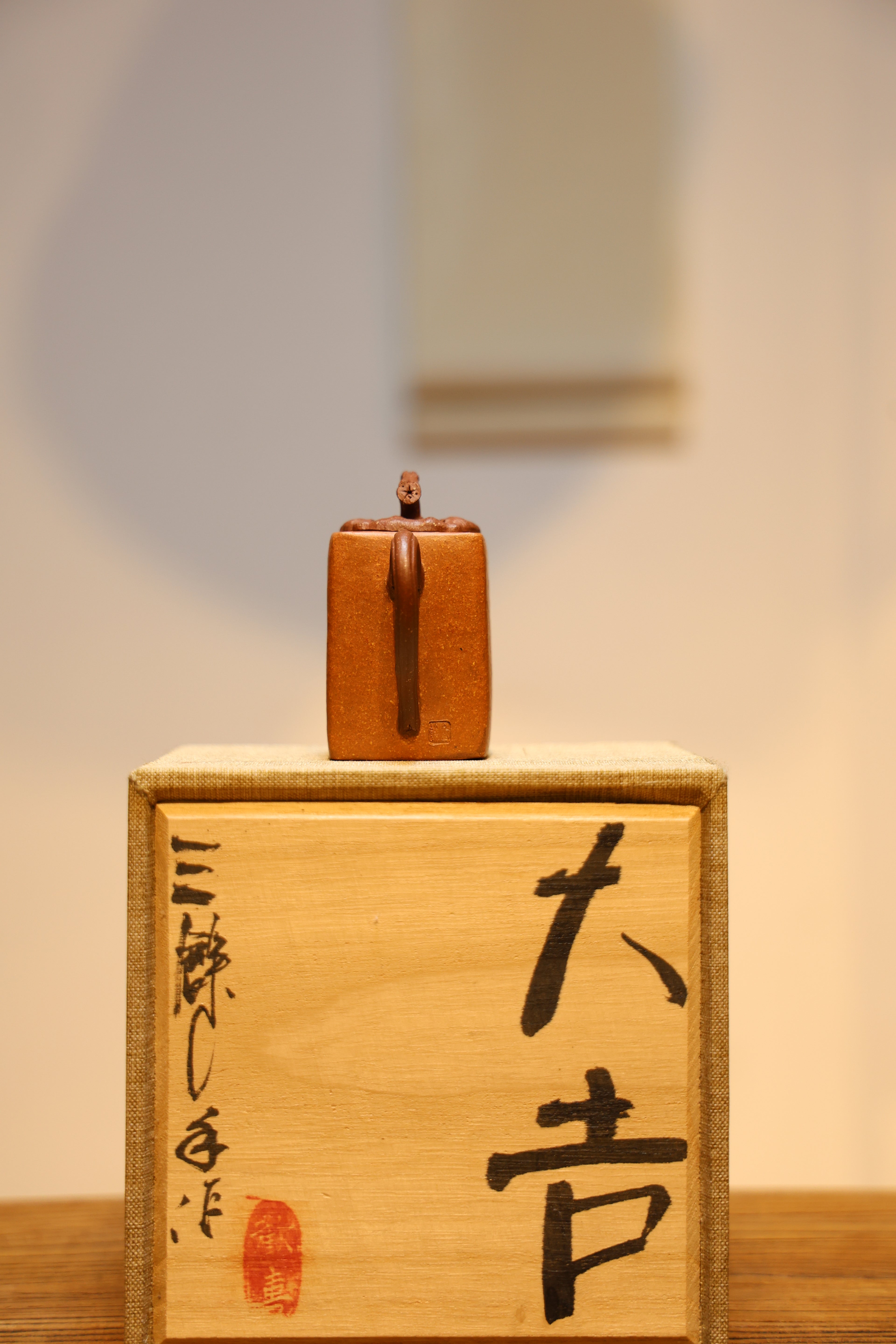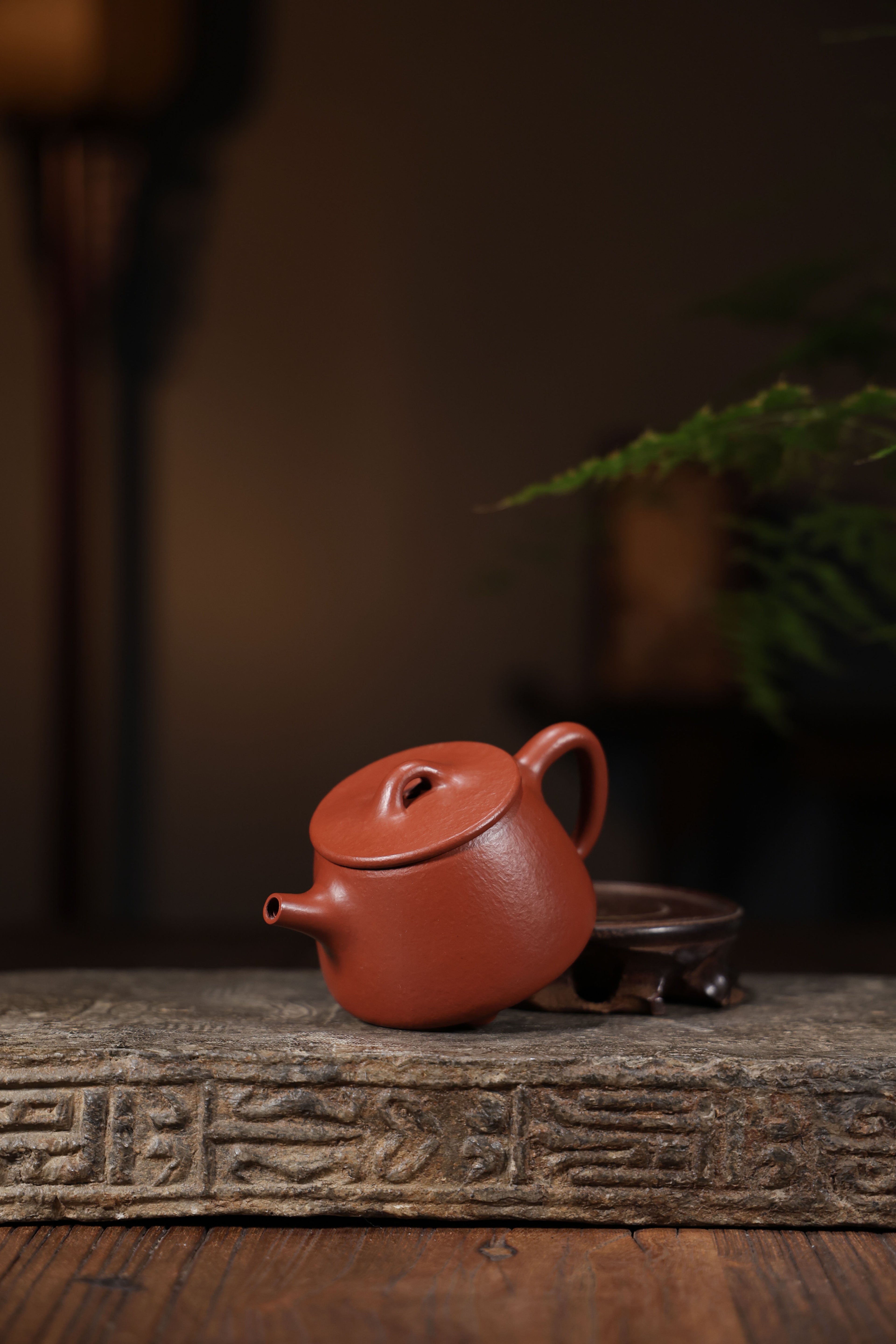
Commencing a complete inspection regarding Ising Tzu-sa clay vessels brings an intriguing blend of craftsmanship alongside practicality.
Ihsing Zi Sha ceramic vessels enjoy a unique allure for collectors globally. These remarkable clay vessels, native from the singular Yi-hsing province within Jiangsu district, China, feature more than just brewing tools; they are acknowledged as works decorative beauty and ancestral significance. That finely processed clay, known as Zisha, imparts a understated flavor onto the tea, and the detailed designs, often showcasing traditional Chinese motifs, improve their natural value. Owning a genuine Yixing Zisha teapot can be a worthwhile journey, calling for careful research and an recognition of the numerous factors influencing their rarity.
Discovering Yixing Ceramic Containers
宜兴 tea vessels boast a extensive tradition deeply interwoven with Chinese legacy. Originating in Yixing, Jiangsu district, these containers are crafted from a unique, porous purple mineral found only in that exclusive location. Their development began during the Ming time, with master craftspeople refining the means over decades. Different types appear, including the classic Hexiang (resembling crab shells), Zhuni (red-brown hue), and Duan Ni (stone-studded) – each with distinctive appearances. Zisha Teapot The esteem of an Yixing pottery isn't solely based on its size or decoration, but also on the artisan’s reputation, the earth's quality, and the brewery’s age and condition. Connoisseurs often seek out older examples, believing they soak up the aroma of the liquid brewed within them over time, further adding to their status.- Antique Clay Pots
- Chestnut Clay Pots
- Rock-Decorated Vessels
Zisha Teapot Mastery: Fabrication & Processes
Unique production of Zisha teapots represents a climax of Chinese ceramic art. Expert artisans employ antique techniques, often passed down through offspring, to unlock the full beauty of this unique clay. Procedures involve meticulous modeling by hand, often combined with the coiling method, followed by precise heating at incredibly potent temperatures in wood-fired kilns. Decorating is equally crucial; creators utilize authentic clay colors and may incorporate carving work to depict intricate scenes or patterns, demonstrating a profound comprehension of the material’s traits and expressiveness. The completed teapot isn't merely a vessel for tea, but a testament to a substantial cultural custom.
The Brewing Pots: Special Introduction to Ihsing Tzu Sha
Probing the world of Chinese teapots sometimes initiates with Yixing Zisha. These particular clay pottery vessels are crafted from a unique type of clay extracted only in the Yixing region of the Jiangsu zone province. Noted for its characteristic reddish-purple hue and fine traits, Zisha clay conveys a refined flavor to the drink and refines with age, evolving into a cherished collectible. Acquiring Yixing Zisha clayware is more than just controlling a handsome object; it’s a dedication of practice and finesse.
Surveying Yixing Zisha: Genuine Nature & Value
Entering the market of Yixing Zisha artifacts can be incredibly fulfilling, but necessitates a thorough understanding. Veracity is critical; numerous imitations exist, often ingeniously forged. Familiarizing oneself about ancient roasting procedures, exclusive soil features, and the signatures of reputable manufacturers is fully essential. Besides, comprehending the subtleties of the appreciation swing – influenced by circumstances such as traditional meaning and the condition of the component – is decisive to effective acquisition.
- Surveying curing development.
- Seeking scholars for confirmation.
- Comprehending market variations.
One Craft of Concocting with a Earthen Kettle
Distinctive one-of-a-kind allure of a Zisha brewing system lies not just in its splendid appearance, but also in its well-known impact on the essence of the elixir. These classical clay containers, sourced from special regions of China, possess a original porosity that gently interacts with the substance and leaves, imbuing the cup with a subtle character. Mastering the approach requires a steadfast approach, understanding how the soil responds to varying degrees and herbal types, ultimately leading to a sincerely rewarding drinking ceremony.
Safeguarding Exclusive Artifact
Proper care of your Yixing container is essential to protecting its longevity. These remarkable teapots, crafted from distinctive Yixing clay, form a gradation over decades that magnifies their appeal. Systematically rinse the inside with pure water, avoiding soap, and never use coarse scrubbing tools. Supplementary gentle polishing with a smooth cloth can help in clearing smudges. Allow your pot to wholly dry subsequent each brewing
Interpreting Zisha: How The Clay Pots Signify Unique
The celebrated appeal of Yixing teapots emerges from the singular properties of Purple clay, extracted solely near Yixing, the Memorable Chinese region. This exceptional clay, categorized as ferruginous terra cotta , demonstrates a strange combination of substances that, after aging, receive the flavor of the infusions it houses. This causes a remarkable flavor profile for each kettle, rendering it a rate far transcending its baseline-level price and contributing to their sought-after status among tea enthusiasts.
Identifying the Right Traditional Carafe: A Stoneware Explanation
Venturing into the world of Purple clay teapots can feel overwhelming, but understanding the fundamentals is vital to finding a beloved piece. This type of clay, sourced chiefly from the Yixing zone, Jiangsu locality, is noted for its peculiar structure and ability to refine the note of the liquid over period. Review the profile, the cast, and the style; a original Zisha teapot is more than just a holder; it's a craftwork and a emblem of oriental culture. Check the mark of the artisan for clues to its origin and potential standing.