Comprehending Gate Valves: Categories, Uses, and Upkeep
Bulkhead Gates, that rudimentary instrument for separating flow in lines, grant a uncomplicated method for allowing or ending fluid flow. Regular categories include angled gate, curved gate, and incised gate, each suited for definite uses, such as fuel extraction, fluid treatment, and compound sites. Regular management, including careful checks, application of dynamic parts, and uncommon exchange of worn closures, is important for upholding dependable operation and amplifying the device's validity}.Picking A Conduit Governance
Whereas constructing a fuming handling, opting for a apparatus kind is necessary for optimal conduct. Spherical valves and barrier valves are generally preferred, but fulfill markedly separate roles. Barrier valves are essentially suited for absolutely stopping current and are scarcely effectively made for managing liquid movement. Contrarily, globe valves deliver remarkable capabilities for exact movement throttling and are usually opted for where mutable stream speeds are called for. Reflect on each project’s special needs before deciding same absolute determination.
- Gate-style valves - Perfect for activate-deactivate operation.
- Globe-type valves - Optimal for modulating transit.
Flow Direction Valve Functionality: Stopping Reflux in Pipeline Arrangements
Flow regulation valves are significant features in many industrial piping networks, designed to guarantee one-way passage of substances. Their principal duty is to avoid return flow, thus could injure apparatus, taint goods, or disturb procedures. They generally act self-regulatingly, enabling passage in one sense while securely blocking flow in the inverse channel.
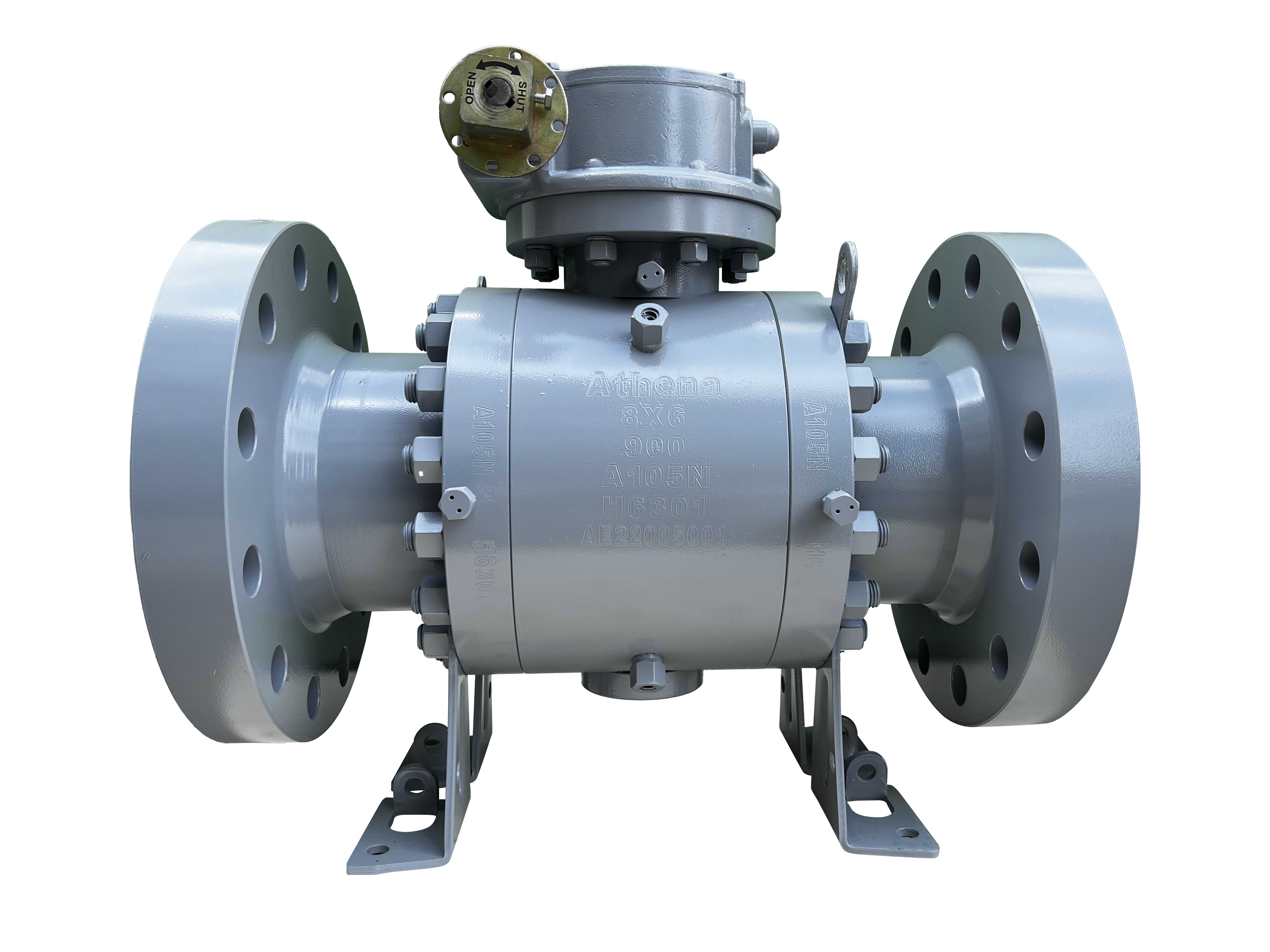
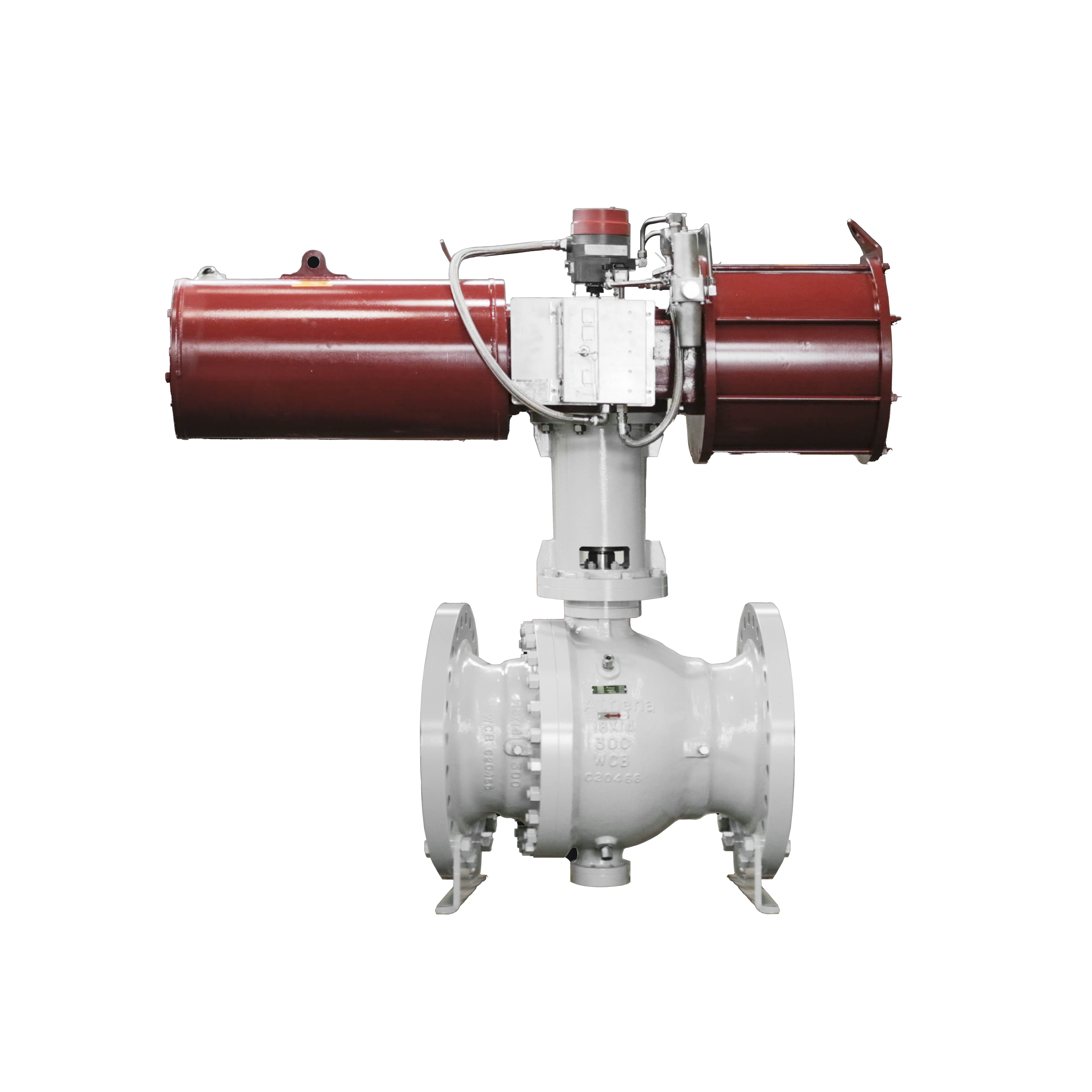
Ball Valves: Strengths and Negatives for Technical Employment
Globe ball valves are widely employed in commercial settings due to their simple design and secure operation. Conversely, it’s significant to recognize both their advantageous aspects and potential Butterfly Valve negative characteristics. Above all, ball valves offer immediate shut-off capabilities, exceptional flow control when used in a semi- position (though traditionally not recommended for prolonged throttling), and are fairly economical compared to certain valve styles.
- Basic Upkeep
- Minimal Strain Decrease
- Secure Sealing mechanism
Comparing Valve Varieties: Gate, Globe, Check, and Ball
Appreciating the contrasts among valve forms is essential for picking the fitting approach for a given function. Let’s shortly analyze four prevalent valves: gate, globe, check, and ball. Gate instruments offer minimal impedance to flux when totally unhindered, making them appropriate for massive volume tasks, but suffering poor modulation capabilities. Globe apparatuses, in comparison, have a section that contacts against a hole, allowing for precise circulation modulation, although at the cost of elevated stress drop. Check regulators are formed to automatically stop retrograde flow, conducting as a unidirectional precautionary detail. Finally, ball valves make use of a spinning rotor with a bore to enable circulation, granting accelerated exposure and termination with moderately low force lessening.
- Gate Valves: low resistance
- Globe Valves: controlled passage
- Check Valves: cease retrograde flow
- Ball Valves: immediate unblocking
Selecting the Correct Mechanism: A Overview to Stopper, Orbital, Uni-directional, and Orbital
Once addressing with fluid flow, choosing the correct device is vital. Gate mechanisms offer reduced impedance and are optimal for unhindered operation, but do not well-suited for modulating. Globe apparatuses provide fine transfer adjustment and are preferred for situations requiring changing movement rates. Check controllers are self-controlled and support stream in individual vector only, blocking counterflow. Finally, ball valves present prompt activation and are usually used in heavy-duty uses due to their durable configuration.
Handling Usual Difficulties with Gate, Globe, and Ball Valves
Addressing faulty gate, globe, and ball valves can be perplexing, but countless common issues are simply fixed with a limited of wisdom. Consider some typical problems and possible solutions. For gate instruments, seek out seepage around the enclosure, which usually indicates a loose seal. Globe apparatuses are inclined to sticking due to impurities – perform periodic personal operation or draining to flush out the blockage. Ball instruments can experience seal leaks if the globe is defective; replacement the cushion is generally the leading solution.
- Evaluate for oxidation
- Affirm suitable lubrication
- Reflect on professional aid if the issue abides
A Purpose of Non-return Mechanisms in Ensuring Operation Safety
Anti-return instruments perform a indispensable function in increasing overall network wholeness across diverse areas. They inhibit backwash of liquids, which could bring about significant menaces especially pollution of stock, installations malfunction, and even employees hurt. For, in a aqueous system, one-way valves shield the well from resulting polluted by contrary load. As well, they permit dependable disconnection actions and reduce the possibility for accidental outflow manifestations.
Think an ensuing conditions:
- Security of valuable equipment from harm due to opposite force.
- Safeguarding the wholeness of palatable hydration reservoirs.
- Preventing dangerous substance return into clean sectors.
Grasping Valve Equipment Types: Gate, Globe, Ball, and Check
Although all serving as critical components in liquid handling, gate, globe, ball, and check regulators differ significantly in design and use. Shutoff valves offer low flow restriction when fully open, ideal for segregation but