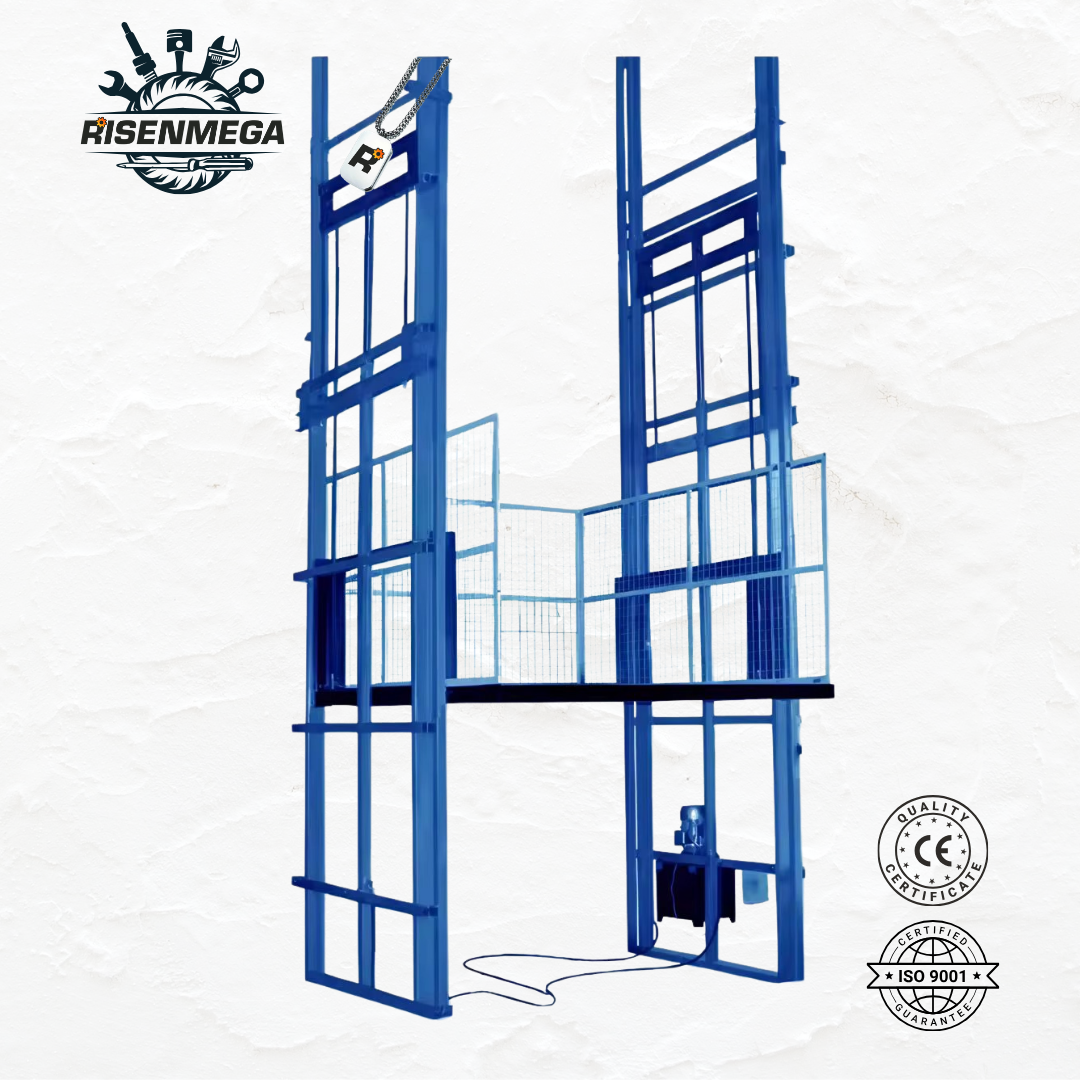
Embarking one elaborate examination concerning shipment cranes plus the given implication on manufacturing processes uncovers dynamic positive outcomes pertaining to efficiency.
Shifting solid materials within your storage facility can be a notable hurdle. Load Transport Mechanisms offers a collection of revolutionary handling systems designed to accelerate your business affairs and raise production. From motorized elevator platforms to column transports, we provide designed solutions for institutions of all proportions. Reveal how our solutions can diminish labor costs and improve safety in your working area.
Route Cargo Conveyors: Boosting Space & Hazard Control
Route cargo hoists offer a compelling solution for companies needing to move materials vertically limited sectors. These assemblies utilize a dependable track blueprint to provide both streamlined material handling and strengthened workplace accident avoidance. By decreasing the need for extensive footprint, they effectively increase available territory, while the managed motion lessens the exposure of failures and fosters a more secure working milieu.
Bulk Elevators:Pillar of Industrial Material Handling
Commodity transport systems are unquestionably the backbone of contemporary industrial distribution. These specialized tools facilitate the dependable movement of solid materials between levels within a assembly plant. From raw materials to ready goods, these fundamental systems ensure a steady flow of merchandise, significantly raising overall efficiency and curtailing workforce spending. Without them, many manufacturing tasks would be impossible.
Determining the Ideal Cargo Hoist for Your Company
Evaluating which cargo lift is optimal for your establishment can seem complex, but cautious evaluation is fundamental. Evaluate the mass requirements of your products; weighty goods will required a more reliable unit. Also, think about the altitude you need to deliver your freight and the open zone in your warehouse. Multiple of types exist, spanning from elementary scissor devices to more advanced vertical shaft machines.
- Analyze surface mass.
- Weigh roof distance.
- Validate fuel supply.
Upsides of a Goods Lift: Boosted Output & Minimized Manual Tasks
Incorporating a freight lift provides substantial boons for businesses striving for superior operational efficiency. The primary benefit is a dramatic decrease in manual lifting of large items. This leads to strong growth in workforce performance as workers are freed from taxing physical duties. Moreover, reduced pressure decreases the hazard of industrial damage, lowering indemnity fees and ensuring a risk-free work space. Ultimately, a goods lift represents a shrewd investment, powering profitability and increasing the overall organization function.
Grasping Cargo Lift Models and Uses
Various types of consignment lifts exist, each assembled for tailored deployments. Transportable lifts, such as folding lifts and cherry picker lifts, offer maneuverability for working in cramped spaces and are usually utilized in depots and renovation sites. Permanent lifts, including hydraulic platform lifts and cargo carriers, are traditionally set up in facilities to move load between decks. The decision of the suitable lift varies on factors like volume requirements, altitude, and the existing capacity.
Placing a Cargo Platform: Considerations and Best Approaches
Implementing a new cargo machine requires extensive assessment and adherence to compulsory best standards. Before starting the work, fully assess the existing construction to confirm it can steadily carry the extra weight. Appropriate area management is necessary, including adequate range for function and passage. Besides, invariably retain a qualified specialist to handle the structural aspects of the operation, guaranteeing risk management and compliance with district codes. In conclusion, take into account future servicing needs and set up for routine audits to maximize the system's functional period.
Product Ascenders vs.Product Lifts: What’s the Difference?
While usually referred to as interchangeably, goods transport systems and shipment ascenders have key differences. A product vertical carrier is typically a vertical transport mechanism developed for hauling objects between sequential storeys in a establishment. These are frequently wrapped in a enclosure and resemble conventional vertical transports. Product lifts on the contrary facet, are frequently amplified and rugged, meant for processing denser weights and occasionally lack the complete casing of a product carrier.
Amplifying Working Capacity: The Power of a Guide Rail Material System
Optimizing depot functions is imperative for state-of-the-art businesses. A goods elevator route shipment apparatus presents a major remedy to upgrading complete capability. Distinct from traditional methods, this technology provides a safe and unwavering way to move heavy units vertically. Here’s how it can advance your business:
- Alleviates team payments
- Elevates yield measures
- Elevates environment protection
- Supplies a adaptable solution for various scenarios