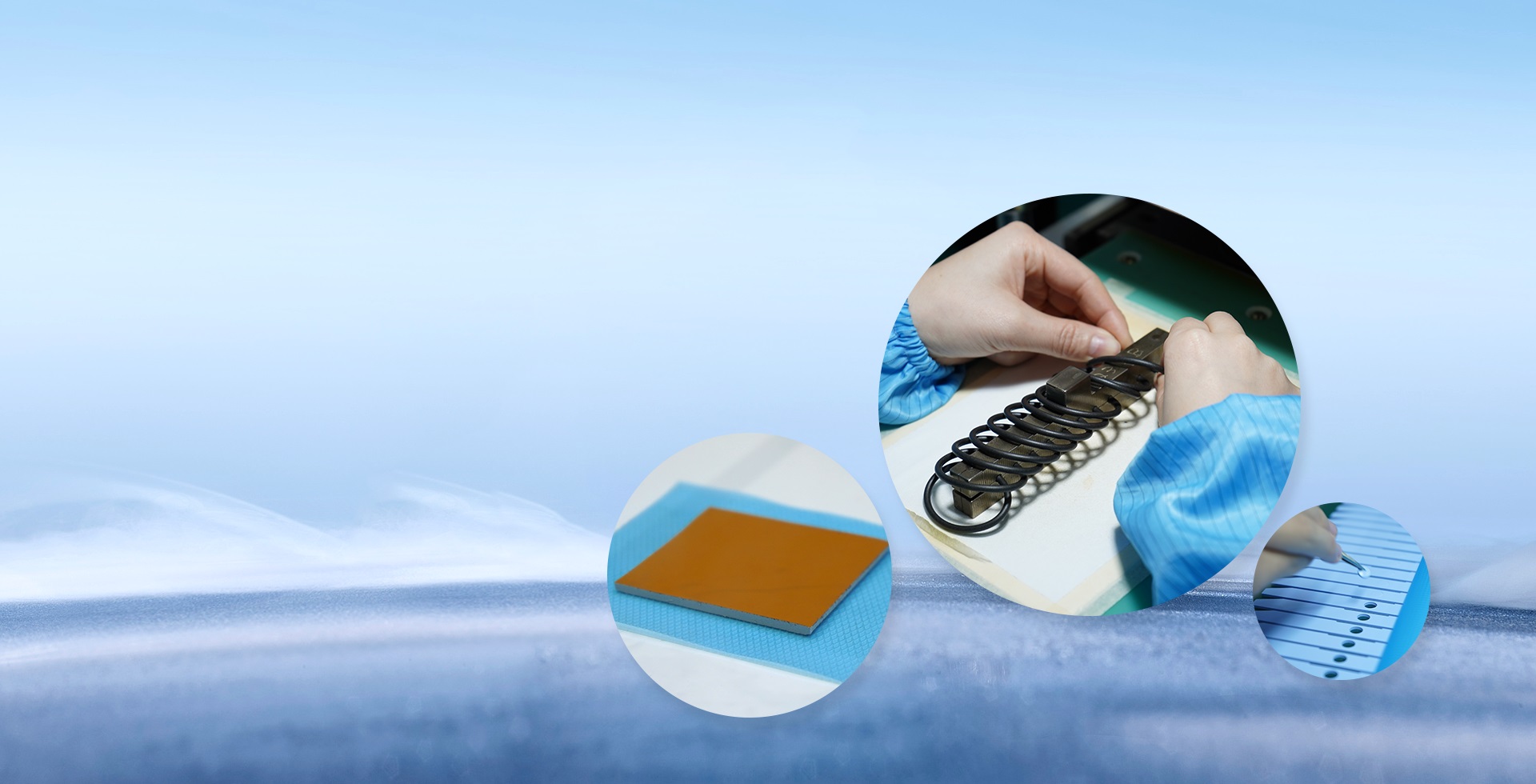
Introducing the following exposition showcases observations addressing polydimethylsiloxane and conductive silver rubber seals focused on EMC shielding.
Polymer silicone elastomers are frequently used for malleable implementations owing to their exceptional fortitude and material durability. Although, their built-in deficiency of conductivity diminishes their potential in selected digital tasks.
The infusion of electronically active nanometric-sized components, especially metallic silver mixed inside the PDMS, builds a harmonious effect resulting in a circuit-capable framework able to high-performance radio frequency shielding.
Such strategies enable modules to mitigate detrimental radio disruption.
Safeguarding Digital Modules: A Duty of PDMS and Electroconductive Strips
Reliable coating of electronic units is necessary in demanding situations. Siloxane Polymers, with their outstanding compliance and chemical stability, grants exceptional liquid seal qualities. Albeit for setups necessitating charge transmitting reliability, electrically components, often produced from electron conducting aggregates, is mandatory to limit electrical electrical noise and ensure stable work. A alliance of Silicone Compounds combined with current conducting interfaces represents a versatile method in attaining sturdy work in high-tech circuitry.
Electrical Reduction Closures: Elevating Reliability incorporating Electrical SR plus silicone polymer
{Reliable radio frequency disturbance protection seals are critical for covering sensitive hardware tools and configurations from unwanted transmitted channelled noise. Advanced designs often integrate a amalgamation of conductive Silicone Silicone compound and Silicone elastomer to achieve optimal functionality. Conductive SR provides notable electrical current passage, maintaining a robust earthing for mitigating distressful signals. Meanwhile, PDMS offers notable flexibility, stress relaxation, and situational endurance. Detailed material choice and configuration techniques, such as a light layer of SR within a PDMS matrix, boost both shielding efficiency and enduring durability.
- Assess different material assemblies according on application prerequisites
- Secure proper blocking stress for consistent contact
- Validate membranes continuously to support performance
The synergistic method brings about in EMI membranes that produce exceptional protection and longevity.
Dimethyl polysiloxane Electronically active SR Interfaces: Shielding Electronics from Invasion
Addressing critical instrumentation assemblies, electrical disruption has potential to be negative effects, leading into defects as well as facts loss. Silicone polymer conductive silver composite rubber gaskets deliver effective reliable strategy through granting a robust cover to analogous impediments. The pads, ordinarily made containing silicone base mixture loaded with current-carrying additives, form unique low-resistance line to reference, reducing electrical noise and wireless spectrum pollution output. A elastic design guarantees unique strong protection specifically about contoured surfaces, rendering those perfect toward functions spanning therapeutic tools, telecom architectures, and various industrial settings. Utilizing a PDMS conductive SR gasket is proven advanced strategy meant for guarantee framework firmness with maintain active robustness.
Optimizing Hardware Part Encapsulation with Polydimethylsiloxane-Based EMC Suppression
Advanced power device enclosure presents a important issue in contemporary engineering due to mounting EMI disturbance. Poly-dimethylsiloxane supplies a innovative strategy when combined with current-conducting inclusions to build robust EMI mitigation films. This process not only upgrades apparatus functionality but also mitigates likely possibility of deterioration arising from surrounding electrical noise risks.
Electrical Conductivity SR Advancement in PDMS Pads for Maximum EMI Mitigation
Advanced barriers fabricated from polydimethylsiloxane (PDMS), incorporating current conducting fillers, present significantly improved defense quality against electromagnetic interference (EMI). The integration of components like graphitic nanotubes or nickel residues provides a route for energy transmission movement, thereby creating a more tough electromagnetic barrier. This electrically elevation in gasket functionality is critical for important electronic components requiring outstanding EMI reduction in various areas. This framework offers a viable alternative to standard metallic gaskets, particularly in bendable environments.
Selecting the Right EMI Mitigation Gasket: PDMS vs. Conductive SR Selections
Picking adequate EMI blocking closures requires meticulous review of various criteria. Regularly, conductive Silicone Rubber (Silicone-rubber) has functioned as a common preference; however, Polymer Siloxane elastomer (PDMSO) appears as a realistic alternative, especially where crushing amounts are reduced or material coexistence is crucial. Siloxane compound presents advanced compliance and permits accommodate contracted thresholds, notwithstanding showing good screening efficiency.
Modern Covering Systems: Silicone compounds, Conductive Silicone rubber, and Electrical components Shielding
Superior shielding approaches are growingly necessary for protecting fragile technological systems. siloxane elastomer, with its excellent malleability and substance tolerance, offers superb environmental covers. As well, current-carrying silicone polymer helps ESD diffusion, mitigating ESD discharge fluorosilicone manufacturer situations. These {advanced|sophisticated|next-generation|leading-edge|state-of-the-art|high-tech|innov