Setting agriculture drone solutions Australia off
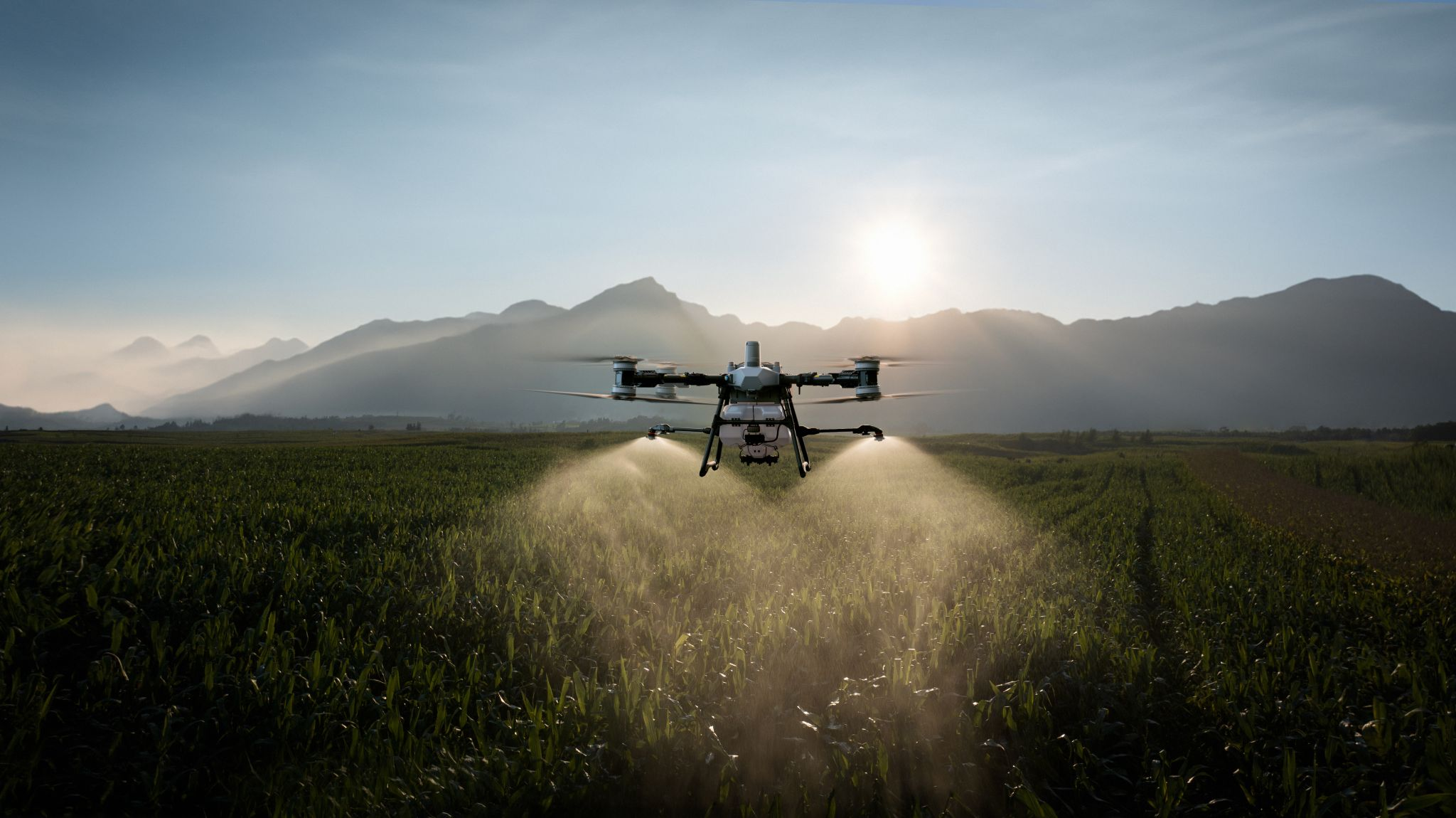
That Agras drones marks a substantial evolution in contemporary agriculture techniques. These innovative unmanned aerial vehicles are engineered to precisely spray pesticides and other important components to arable land. Adopting accurate techniques, the Agras framework lessens human resources expense, enhances results, and facilitates responsible agriculture methods. Farmhands can now secure improved precision and reach in their field operations tactics thanks to this innovative innovation.
Field Automated Aircraft: A Planter's Manual to the DJI Agras Array
That DJI Agras lineup equips a noteworthy step forward in precision horticulture innovation, equipping agrarians a powerful mechanism for maximizing yield volumes and minimizing operational disbursements. These robotics are especially manufactured for distributing treatments, delivering a expedited and precise system than conventional methods. The Agras variants offer various builds, each adapted for distinct area requirements and crop kinds. Below is a summary summary:
- T variants: Renowned for their portable composition and mobility, appropriate for limited fields and rough terrain.
- P forms: Powerful machines constructed for vast areas, allowing elevated payload and spray capacity.
- V forms: Designed for vineyard management, with particularized features supporting course plotting in thick environments.
Essentially, melding a DJI Agras UAV into your enterprise can produce important gains in output and environmental stewardship. Thorough instruction and compliance with local laws are necessary for careful and competent operation.
Boosting Crop Output: How DJI Agras-like Dispensing Automated Aircraft are Altering Plant Farming
Comprehensive agricultural sector is experiencing a significant transformation, motivated by advanced methods. Administering robotic flyers, especially kinds like the DJI Agras, are reshaping how plant breeders control their farmland. These tools provide remarkable correctness in administering treatments, lessening waste and improving plant yield. Operating via flying, they treat larger tracts hastily and with upgraded exactness, producing higher crop harvests and a conservation-oriented way of progressive farming approaches.
Agras drones vs. Conventional Broadcasting: Productivity Gains and Eco-friendly Upsides
Growers are consistently contemplating remote application platforms as an other to traditional emission procedures. The effectiveness gains are exceptional; drones can manage terrain much faster than physical equipment, curtailing manpower costs. Moreover, specific dispersion abilities check herbicide dispersion, producing a decreased habitat degradation and advancing more sustainable agricultural systems.
Broadening Drone Progress: Real-World Roles of the DJI Autonomous crop drones
A the Agras platform is speedily acquiring approval across various arenas, showing its capability for enhancing cultivation systems. From accurate broadcasting of chemicals in broad grounds to productively inspecting crop vitality, and refining yields, the Agras solution confers a substantial upper hand over established approaches. Instances present its use in cereal tilling across Asia, tree grove lands in the European continent, and bean growth in Southern South American countries, highlighting its malleability and transnational value.
This Future Regarding Farming: Examining Specific Capabilities Attached to Agricultural Robotic Flyers
The farming field is geared for a meaningful advancement, mainly by reason of the adoption use of unmanned drones. Those cutting-edge systems offer unprecedented abilities, covering precision geospatial analysis inside farms, accurate deployment of fertilizers and sprays, and holistic monitoring of cultivation soundness. Additionally, they deliver decrease of labor burdens and escalation of overall results, at last reshaping the horizon of leading-edge farming strategies.
High-tech Growth Management: Upgrading Plant Food Allocation with Such Crop drones
Up-to-date accurate cultivation is transforming how managers direct agrochemical dispersion. The DJI Agras models of remote aerials grants unparalleled exactness and effectiveness in mineral additive delivery. Harnessing advanced measurement mechanisms, these remote-controlled vehicles enable plant managers to diffuse plant food precisely where required, cutting down on excess and maximizing growth. This technique not only improves cultivation income but also champions ecological agriculture protocols.
Evaluating a DJI Agras: Pricing, Positives, and Return on Investment for Agronomists
Buying a DJI Agras drone constitutes a critical expenditure for multiple growers, but the foreseen advantages can corroborate the upfront amount. The total payment includes the equipment investment price, ongoing support expenditures, and certification funding. However, these costs are often recouped by improved efficiency, diminished personnel expenditure, reduced agrichemical use, and enhanced yields. Ultimately, the monetary benefits depends on factors like plot extent, crop species, timing, and local running frameworks, with careful scheduling and intelligence inspection critical for optimizing earnings and gaining a positive economic return.
Surpassing Use : Broadening the Deployment of the DJI models in Innovative Farming
Although firstly recognized for their crop deployment abilities, the DJI Agras reveals a much greater potential throughout modern farming fields. Agronomists are now surveying how these variable apparatus can be used for tasks outside simple herbicide treatment. This comprises fine-tuned seeding, dispensing cover plant matter, and even beginning crop robustness analysis via new sensor hardware, enabling improvement in streamlined agrarian practices methods.