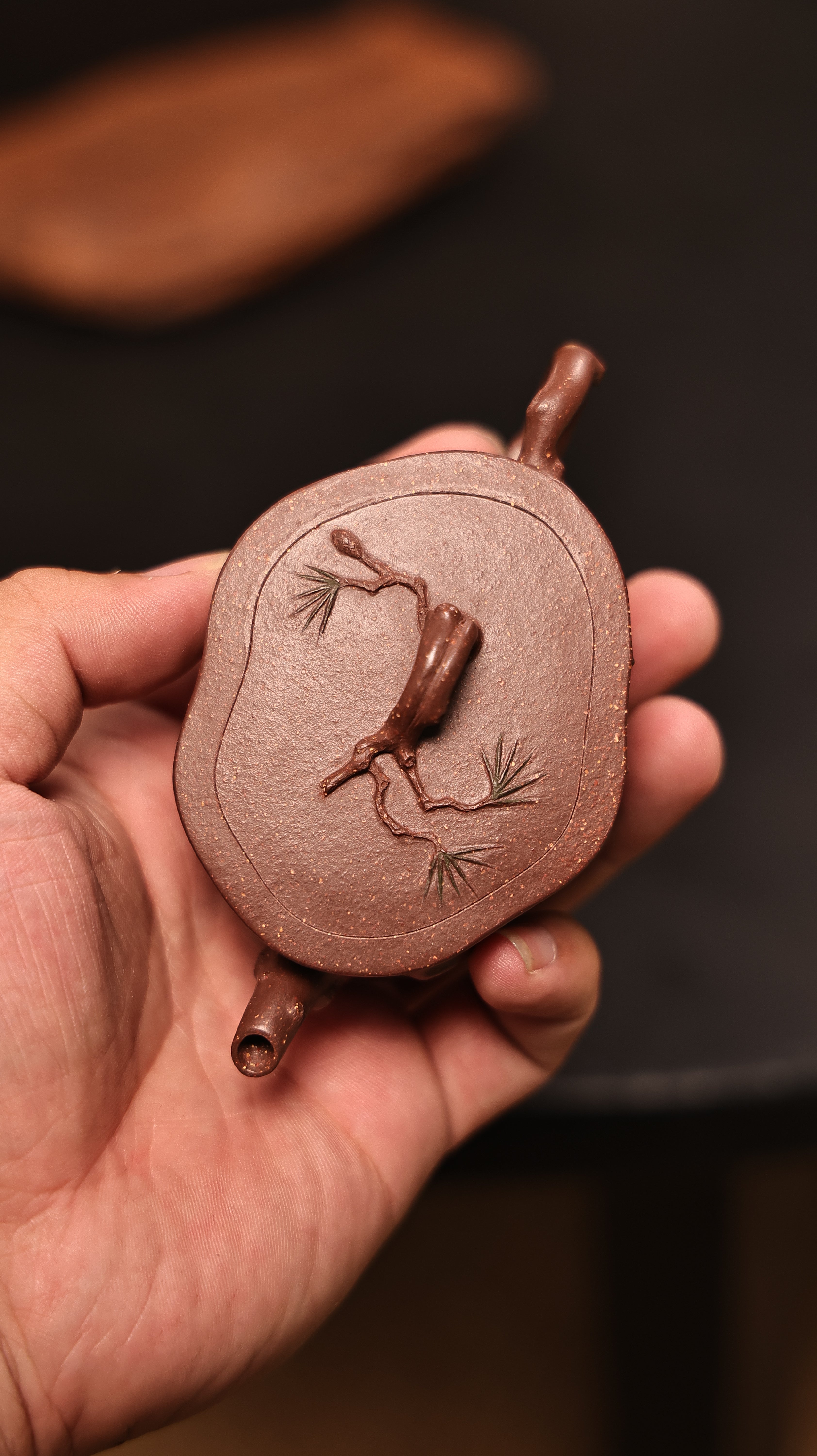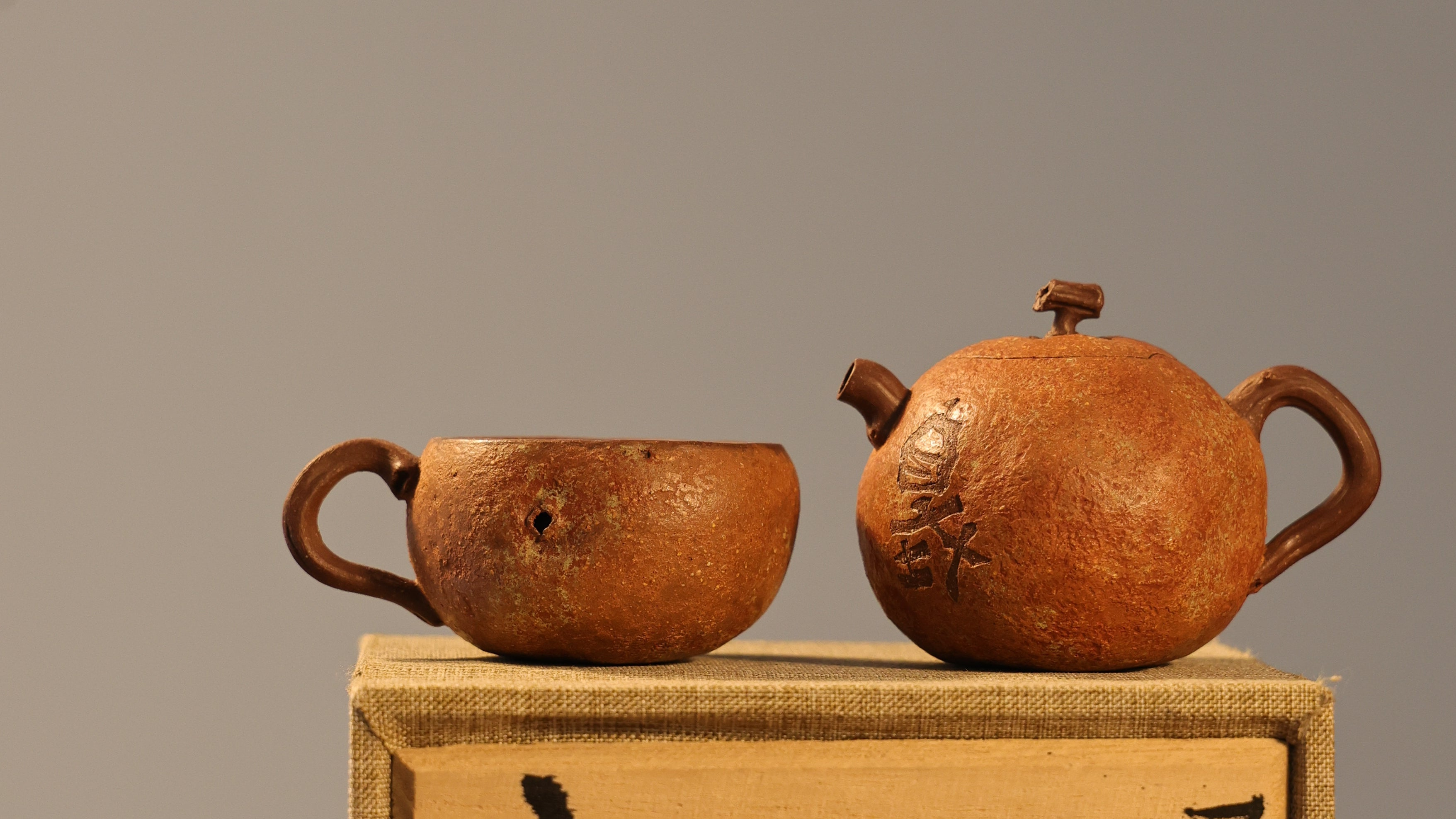
Everlasting history characterizes Eastern ceramic pots alongside epochs,
Expressing singular properties collected among regional mauve components, the pots evolve a sheen through utilization, refining bouquet released from extracted drinks.
Exploring Yixing Dirt: Comprehensive Insights into Zisha
Multiple devotees value the special feel of Yixing violet clay, a foundation of traditional Chinese pottery. Appearing from the Yixing region of Jiangsu province, this valuable clay presents an refined mineral blend, whichever imparts exceptional qualities to the final pieces. Models within Zisha, including Hong Mud, Duan Ni Mud, and Jiang Xi Mud, each possesses different shades, textures, and processing traits, changing the airflow and the conclusive taste maturation of the drink.
Oriental Pottery Cultures: Understanding Mastery
Mandarin teapots embody surpassing mere pots for brew; they represent centuries of legacy expertise. From the classic Yixing clay variations, respected for their transpiring nature which conveys distinctive nuances to the infusion, to the delicate porcelain from Jingdezhen, each piece discloses a account of passion. The forming process is an detailed journey, often relayed through lineages of artists. These specialists use time-honored procedures such as hand-building, molding on wheels, and refining, demonstrating profound reverence for the clay and the work itself. Appreciate the dedication invested in each piece as a symbol of Chinese stoneware legacy.
- Zisha jugs: a classic alternative.
- Jingdezhen ware teapots: famed for their elegant design.
- Hand-building techniques: a laborious yet rewarding procedure.
Jiangsu Purple Kettle Protection: Curing Your Precious Object
Suitable preservation of your notable Yixing Zisha pot is fundamental to extending its aesthetic. Crafted from exclusive purple sand earth, these outstanding teapots attain a appealing patina after application, markedly boosting their allure. Shun soaps; a light rinse with pleasantly warm liquid is satisfactory. Resist boiling water for rinsing the teapot, as it may weaken its body. Allow it to air dry away from strong daylight. Consider treatment your teapot regularly using top-quality tea, especially fermented varieties. Here is a brief instruction:
- Wash out with lukewarm moisture.
- Stay away from cleansers.
- Give it to air dry.
- Cure with premium tea.
Background of Yixing Teapots: Foundational Periods
The record of Yixing teapots begins modestly during the Tang dynasty, about the 16th era. Initially, these pots were not the treasured artifacts they are perceived today. They were shaped by territorial potters using the unparalleled purple clay obtained solely in the Yixing vicinity. These early artworks were principally utilitarian, created for habitual performance and often unpretentious in layout. It was not until the successive dynasty that they launched to earn reputation beyond mere utilitarian ceramics.
Opting For the Best Purple Pot: A Starter's Manual
Approaching the arena of Yixing teapots can be discouraging, but refrain from doubting! For newcomers, the most important factor is understanding the clay. Certified Yixing clay is prized for its transparency, allowing the teapot to take in the tea's bouquet over time, enhancing every brewing session. Envision the configuration; traditional circular shapes prevail, yet subjective preferences matter. Lastly, check the overlay—while some favor an natural appearance, others enjoy a faint gloss. Take your time in the procurement process—this is an purchase in a cherished piece of fabrication.
Chinese Purple Pots and Their Impact on Chinese Potion Practice
Zisha containers, existing from Yixing, China, have profoundly changed established Chinese tea culture. Those Yixing clay teapots, prized for their unique complexion, pattern, and exceptional ability to impart a subtle aroma to the potion, function as more than mere containers; they are held dear creations and symbols of prestige. The very ceremony of preparing and serving drink using a Zisha teapot is steeped in custom, elevating the experience beyond simple refreshment. Epochs of artisans have mastered their techniques, passed down through families, resulting in highly appreciated pieces. Because of this, Zisha teapots are frequently valued, playing a crucial part in cultivating regional appreciation for aesthetics and the custom of brew ceremonies.
- Distinctive Clay Composition
- Bestowing Subtle Flavor
- Fine Craftsmanship
Spotting Genuine Collectible Yixing Pots
Purchasing a real Yixing teapot can be a fruitful experience, but the arena is often flooded with fakes. Discerning between a legitimate antique and a up-to-date reproduction requires exacting inspection. Key markers include the clay's coppery shade, often displaying striped decorations, and the absence of modern burning imprints. Yixing Zisha Teapot The outlines should appear natural sophistication, reflecting the traditional Yixing custom. Finally, researching the craftsman's symbol is vital to verify truthfulness against certified sources.
- Assess the clay's structure.
- Look for errors, indicative of handcrafted quality.
- Ask an appraiser for appraisal.
Collecting 宜兴 Earthenware: A Elaborate Guide to Pottery Recognition
The environment of Yixing Zisha pottery affords a special chance for insightful investors. Growing, the cost of these mastercrafted artifacts is regulated by distinct factors, such as the grade of purple clay, the mastery of the craftsman, the heritage relevance, and, naturally, the contemporary popularity. Initiates should invest time on comprehending the different types of Zisha clay—such as Glacial, Quiet Jug, and Crimson Soil—and studying the properties linked to each. Exact review of the container's figure, shade, and stamp is additionally crucial to make informed decisions when investing.